How to Upgrade Your Home Before Putting It Up for Sale
Deciding to put your property on the market is one of the largest financial transitions you will ever navigate. When preparing to list, most property owners immediately face a critical dilemma: how much money and effort should be poured into pre-sale upgrades? While it is tempting to hand over the keys in “as-is” condition, doing so often leaves tens of thousands of dollars on the table and invites aggressive price cuts from buyers looking for turnkey convenience. Conversely, over-improving a property with highly personalized, luxurious upgrades can swallow your profit margins if the neighborhood comps fail to support the inflated listing price.
The key to a successful listing lies in strategic, targeted preparation. Modern buyers are far more analytical and risk-averse than previous generations. Armed with extensive online market data, digital inspection checklists, and fluctuating interest rates, today’s purchasers evaluate a property not just on aesthetic charm, but on operational efficiency, underlying mechanical health, and long-term maintenance costs. They want visual elegance, but they demand structural and system-level peace of mind.
To maximize your net proceeds and ensure a swift, seamless transaction, your pre-sale strategy must address the property from the inside out. By systematically auditing your mechanical systems, subsurface infrastructure, thermal barrier, high-value living areas, and exterior building envelope, you create a compelling narrative of care and quality. This guide breaks down the exact phase-by-phase roadmap necessary to elevate your property, eliminate buyer friction, and command top dollar in any market environment.
Securing Your Core Systems & Utilities

Before worrying about paint shades or countertop patterns, you must ensure that the fundamental mechanical systems of your property are flawless. Nothing derails a real estate transaction faster than an inspection report filled with electrical red flags, overloaded breaker panels, or hazardous wiring. Buyers view electrical issues as major safety hazards and immediate out-of-pocket expenses, which often leads to inflated repair demands or demands for credit at closing.
Addressing these issues proactively keeps you in control of the negotiation. Start by having a comprehensive panel assessment performed to verify that your service amperage meets current standards, especially if your property features high-draw modern appliances or added climate control units. Common hazards such as double-tapped breakers, ungrounded outlets, unjunctioned wire splices, and outdated cloth wiring should be rectified immediately. Hiring a certified electrician to perform a preliminary safety audit allows you to identify hidden system defects, resolve code violations, and gather official sign-off documentation before your first open house.
In addition to safety and code compliance, secondary power reliability has become a major selling point in regional markets prone to severe weather, grid instability, or extreme seasonal temperatures. Buyers increasingly view emergency power capability not as a luxury, but as an essential safeguard for remote work, smart home infrastructure, and basic household continuity. Installing or servicing a permanent backup system, such as Generac generators, gives your listing a distinct competitive edge over neighboring properties. Having a reliable power supply documented in your disclosure packet reassures prospective owners that the property is engineered for resilience.
When preparing your electrical and power infrastructure for the market, focus on these critical action items:
- Upgrade outdated service panels to a minimum of 200 amps to accommodate high-capacity household demands and modern tech devices.
- Replace standard outlets in kitchens, bathrooms, garages, and outdoor zones with updated Ground Fault Circuit Interrupter protection.
- Clear away messy, non-compliant DIY wiring in attics, basements, and storage sheds to present a clean, professionally managed electrical grid.
- Compile and organize all equipment manuals, transfer switch records, and system service logs into an easy-to-read buyer information packet.
Essential Subsurface & Structural Maintenance
While eye-catching interior finishes attract initial interest from buyers, subsurface and structural components hold the entire sale together. Issues lurking underground or within the structural framing represent catastrophic risk in the eyes of prospective purchasers, mortgage lenders, and home insurance underwriters. Unresolved structural movement or failing underground utilities will pause a transaction immediately, often forcing sellers to pay for emergency repairs under tight closing deadlines.
Subsurface wastewater management is a prime example of a critical system that requires early attention. A failing or unserviced waste management system can lead to failed soil tests, unpleasant odors, structural backup risks, and denied mortgage approvals. Before taking listing photos or scheduling appraisals, arrange for a comprehensive system inspection and thorough septic pumping. Clearing out accumulated solids, inspecting the distribution box, and verifying absorption field health ensures that your property passes municipal health clearances without delay. Providing recent service receipts offers buyers absolute proof that the waste infrastructure is operating at peak capacity.
Similarly, large-scale structural modifications, room additions, or historical framing repairs require rigorous oversight before hitting the market. If your property features structural adjustments, load-bearing beam modifications, or complex layout expansions, buyers will demand proof of structural integrity and proper municipal permitting. In cases where significant structural restoration, foundation remediation, or major building envelope work is needed, bringing in a licensed commercial contractor ensures the job is executed to commercial-grade standards and strict building codes.
To protect your home sale against subsurface and structural delays, follow these guidelines:
- Schedule professional pipe camera inspections to verify that main sewer lines or subsurface drainage pipes are free of root intrusion and cracks.
- Obtain clear municipal sign-offs and closure documents for all past permits involving additions, structural alterations, or major utility work.
- Repair visible cosmetic drywall cracks only after structural movement has been evaluated and ruled out by an expert.
- Provide clear documentation of all subsurface system pump-outs, inspections, and component replacements performed over your tenure as owner.
Energy Efficiency and Thermal Comfort
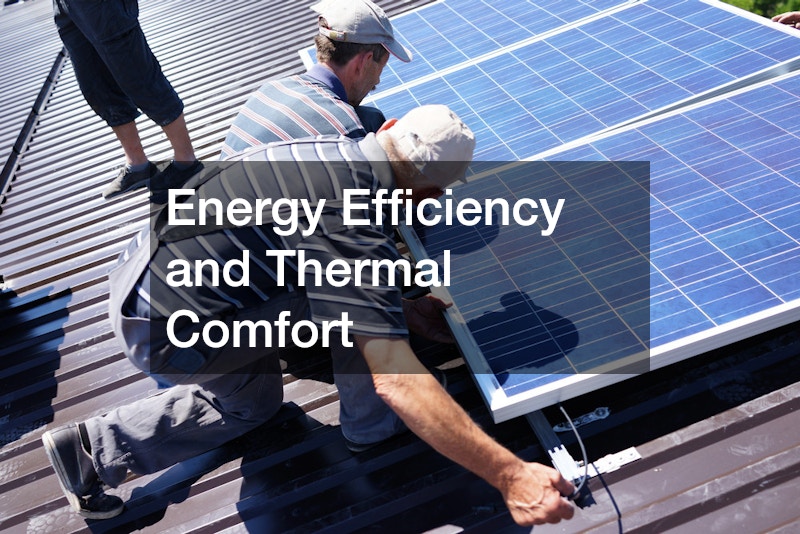
Thermal comfort and energy efficiency are no longer minor considerations; they are core parameters by which buyers rate a home’s overall condition and long-term affordability. A property that feels drafty during winter viewings or stuffy during summer walkthroughs creates an immediate negative psychological reaction. Buyers translate physical discomfort directly into thoughts of failing HVAC equipment, poor building design, and exorbitant monthly utility statements.
Attic spaces, rim joists, crawlspaces, and uninsulated wall cavities are the main sources of thermal loss in residential structures. Over time, original insulation material can settle, absorb moisture, or suffer damage from past pest activity, drastically reducing its effectiveness. Upgrading your building envelope by installing high-performance home insulation stabilizes indoor temperatures, reduces HVAC strain, and creates a noticeably quieter interior environment. Highlighting refreshed R-values and lower average energy bills in your marketing materials gives your listing a clear financial advantage over competing homes in the area.
Beyond the opaque walls and ceiling structures, glass surfaces represent another major vulnerability in a property’s thermal and aesthetic profile. Large windows and glass doors let in desirable natural light, but they can also cause severe solar heat gain, harsh glare, and premature fading of hardwood floors and furniture. Instead of replacing expensive window units that are structurally sound, applying professional residential window tinting offers a cost-effective solution. Modern window films block harmful solar heat and UV rays, improve architectural privacy from the street, and lower peak cooling costs without darkening the interior view.
High-ROI Interior Kitchen & Bathroom Transformations
Ask any experienced real estate agent where sales are won or lost inside a property, and they will point directly to the kitchen and primary bathrooms. These high-touch spaces carry immense emotional weight during home tours. Buyers spend a significant portion of their viewing time opening cabinet doors, inspecting fixtures, and picturing their daily routines in these core areas. Dated finishes, worn surfaces, or awkward layouts in these rooms are major friction points that often trigger low-ball offers.
You do not always need a complete tear-out to achieve a premium aesthetic. In the kitchen, strategic updates offer an incredible return on investment. Focus on refacing or painting dated cabinetry in modern, neutral tones, replacing worn hardware with sleek metallic pulls, and installing updated stone or quartz countertops. Working alongside a skilled kitchen remodeler allows you to optimize workspace functionality, integrate smart storage solutions, and fix traffic flow bottlenecks while keeping your existing structural footprint intact. This approach delivers a high-end visual impact without the heavy price tag and long timeline of a full structural teardown.
Bathrooms require a similar balance of cosmetic appeal and functional hygiene. Stained tile grout, chipped porcelain, leaking faucet valves, and foggy mirror surfaces immediately signal neglect to a potential buyer. Executing a focused bath remodel can transform a tired, dated washroom into a bright, spa-like sanctuary. Focus on installing modern low-flow toilets, frameless glass shower enclosures, updated vanity lighting, and crisp, water-resistant flooring materials. A fresh, clean, and modern bathroom suggests a low-maintenance lifestyle that resonates strongly with busy home buyers.
Elevating Exterior Architecture & Curb Appeal

First impressions set the tone for every property tour. Long before a prospective buyer walks through your front door, they have already formed an initial judgment based on your property’s curb appeal. A weathered exterior, deteriorating roofline, or damaged siding creates an immediate impression of deferred maintenance. Buyers approach the front entrance assuming that if the visible exterior has been neglected, the hidden mechanical and structural systems have suffered the same fate.
Your property’s building envelope faces constant exposure to rain, wind, UV radiation, and seasonal thermal shifts. Over time, siding panels warp, paint chalks and peels, fascia boards rot, and roof flashing loses its watertight seal. Before taking external marketing photos, hire a qualified exterior contractor to evaluate your roof, siding, gutters, and trim work. Repairing or replacing damaged siding, securing loose downspouts, and applying fresh exterior paint protects the building structure from weather damage while creating a sharp, clean exterior appearance.
Beyond the main house walls, your outdoor living areas play a major role in how buyers perceive total usable square footage. Patios, decks, entry porches, and pathways should be treated as functional extensions of your indoor living space. Power wash all concrete, stone, and brick surfaces to remove dirt, moss, and oil stains. Re-stain weathered wooden decks, replace broken porch light fixtures, and keep lawns neatly edged and freshly mulched. A warm, well-maintained exterior invites buyers to envision hosting weekend gatherings and enjoying quiet evenings outdoors.
Launching Your Upgraded Property to the Market
Once your mechanical systems are certified, energy barriers are reinforced, interior spaces are refreshed, and exterior curb appeal is maximized, your final focus shifts to market execution. All your strategic preparation must now be translated into a clear, compelling digital and physical marketing strategy. The goal is to present your property as a turnkey, low-risk investment that justifies a premium listing price and leaves no room for aggressive price negotiations.
Preparation for a successful launch begins with documenting every single capital improvement made during your ownership, with special emphasis on pre-sale updates. Compile receipts, permit sign-offs, contractor business cards, transferable equipment warranties, and utility history sheets into a binder that sits on the kitchen counter during showings. When buyers and their agents see organized documentation supporting the home’s condition, their confidence grows, leading to cleaner, contingent-free offers.
High-quality marketing collateral is non-negotiable in modern real estate. Work with your listing agent to capture professional, high-resolution photography and immersive 3D virtual tours during optimal lighting conditions. Ensure that listing descriptions specifically mention high-value mechanical, thermal, and cosmetic upgrades rather than relying on generic adjectives. Position your updated home for sale as an exceptional property that combines historic care with modern efficiency and style.
Upgrading Your Home for Sale
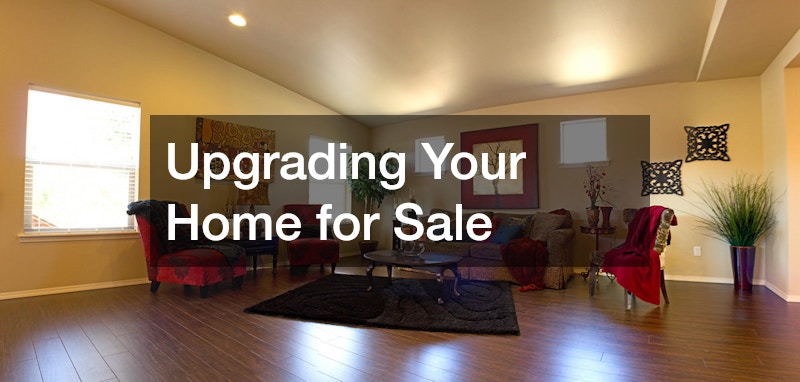
Preparing a home for the market does not mean spending money indiscriminately on every trendy design feature you see online. True pre-sale value is created through a balanced, strategic approach that pairs essential mechanical and structural updates with targeted, high-impact aesthetic enhancements. By addressing underlying systems, improving energy efficiency, updating key functional spaces, and polishing curb appeal, you eliminate the friction points that cause listings to linger on the market.
When prospective buyers walk through a property that has been systematically maintained and thoughtfully improved, they feel an immediate sense of confidence. They see a turn-key living environment that will not surprise them with unexpected repair bills or inspection headaches after closing. This emotional and practical peace of mind translates directly into faster sales, stronger offers, and maximum financial returns when the final contracts are signed. Take the time to audit your home early, outline a clear action plan, work with trusted professionals, and execute your updates with precision to enjoy a smooth, profitable real estate transaction.