How to Make Your Backyard Safer and More Enjoyable for the Whole Family
A backyard can be much more than the space behind a house. It can give children room to explore, provide adults with a place to unwind, and bring relatives and friends together without requiring an elaborate outing. Yet a yard that looks appealing is not necessarily comfortable or safe for everyone who uses it. Uneven paths, damaged trees, neglected pool equipment, and poorly arranged activity areas can interfere with otherwise enjoyable afternoons.
Creating a family-friendly outdoor space starts with understanding how people actually spend time there. Thoughtful planning allows these interests to coexist while making upkeep manageable. The following eight strategies address layout, everyday comfort, tree care, lawn choices, pools, wildlife, seasonal preparation, and routines that help families spend more time outside with fewer avoidable concerns.
How Can You Design a Backyard Around Your Family’s Daily Activities?
Begin by identifying the activities your household enjoys rather than choosing features solely because they look attractive in photographs. Children may want open ground for games, adults may prefer a shaded dining area, and everyone might appreciate a quiet corner for reading. Sketch a simple layout that reflects those needs, noting where people enter the yard and how they move between spaces. Keep active play away from grills, storage sheds, and other areas that require extra caution.
Observe the property at different times of day. Afternoon sunlight may make one seating location uncomfortable, while a low spot that collects rainwater could be unsuitable for a play area. Existing trees, slopes, and drainage patterns influence where additions will work. Professional backyard landscaping services can help translate household priorities into a practical plan, including planting choices, grading, and accessible routes.
You do not need to complete the entire project at once. Establish the most important activity area first, then add seating, planting beds, or recreational equipment as your budget allows. Leave flexibility for changing interests: a sandbox might eventually become a garden, and an open lawn could accommodate larger gatherings. The strongest layout makes everyday activities easier now without preventing the yard from evolving alongside your family. This approach also helps avoid buying costly features that families may rarely use together.
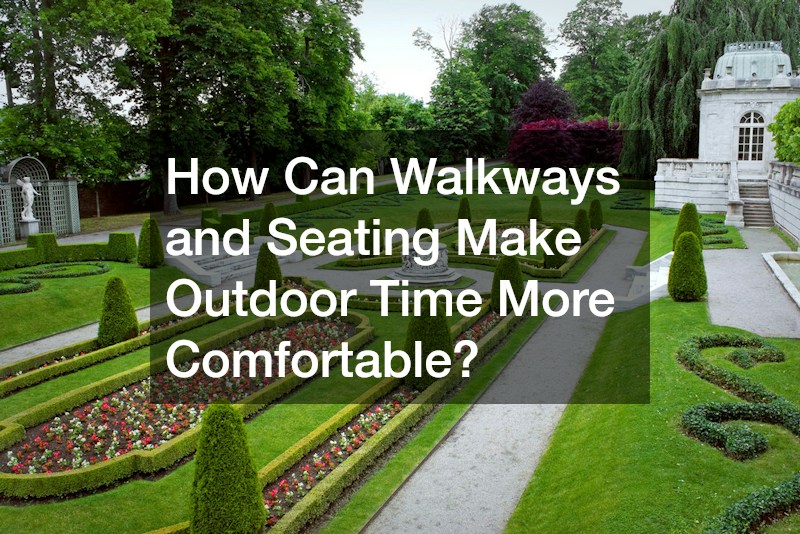
How Can Walkways and Seating Make Outdoor Time More Comfortable?
A family-friendly yard should be easy to navigate while carrying food, supervising children, or moving between the house and a play area. Connect frequently used destinations with stable, unobstructed walkways. Choose surfaces suited to local weather, and pay particular attention to traction near stairs or wet areas. Uneven pavers, loose hoses, and toys left along paths can create tripping hazards.
Plan seating around how the yard will be used. Adults supervising young children benefit from a clear view of play spaces, while larger families may need furniture that can be rearranged for different gatherings. Allow enough clearance for chairs to slide back without blocking a route. Shade from an umbrella, pergola, or healthy tree can make a seating area more inviting during warm afternoons. Check that umbrellas and lightweight furnishings are secured when windy weather is expected.
Lighting extends the usefulness of outdoor spaces into the evening. Illuminate steps, entrances, and primary paths without directing bright light into people’s eyes. Position cooking equipment according to manufacturer clearance instructions and away from children’s games. Keep an accessible storage container nearby for balls, cushions, and other frequently used items. These choices remove small frustrations that discourage outdoor time.
How Can Tree Care Preserve Shade While Addressing Potential Hazards?
Trees add character, provide habitat, and can create welcome shade over lawns and seating areas. They also need attention, particularly when branches extend over play equipment, buildings, or swimming pools. Look for newly broken limbs, hanging branches, significant trunk damage, or noticeable changes around the roots. Visible symptoms alone do not establish whether a tree is dangerous.
Qualified local arborists can evaluate a tree’s condition and recommend appropriate care. A local tree trimming service may address damaged branches or improve clearance while preserving healthy growth. Pruning methods and timing vary by species, and excessive cutting can harm a tree. Ask what work is necessary, why it is recommended, and how nearby plants and property will be protected during the process.
In some situations, preservation may not be practical. Tree removal services can assess options when a tree is severely compromised or conflicts with an essential construction plan. Removal near structures, fences, and utility lines requires specialized equipment and precautions. After a storm, keep everyone away from leaning trunks and suspended branches. Emergency tree removal may be needed when damage presents an immediate threat, but never approach a tree touching a power line; contact the utility or emergency services instead.
Thoughtful decisions can retain useful shade while addressing genuine problems. Maintain trees before damaged limbs interrupt family gatherings.

How Can You Choose a Lawn That Supports Play and Relaxation?
An open lawn gives families room for informal sports, picnics, and everyday play, but the ideal surface depends on the property. Natural grass may offer a familiar feel and a living landscape, although it needs mowing and may require irrigation or repairs in heavily used areas. Grass varieties differ in their tolerance for shade, drought, and foot traffic. Selecting one suited to local conditions makes upkeep more realistic.
Other households consider artificial turf installation to reduce mowing or provide a consistent-looking surface in difficult growing areas. Before choosing synthetic turf, ask about drainage, cleaning, expected lifespan, and eventual replacement. Artificial surfaces can become very hot in direct sunlight, so check their temperature before children or pets use them. Neither natural grass nor synthetic turf automatically provides adequate protection beneath elevated play equipment; use suitable impact-absorbing material where needed.
Whatever surface you select, address the ground beneath it. Standing water, hidden holes, exposed roots, and abrupt changes in level can make play uncomfortable or hazardous. Keep sports equipment away from windows and pathways, and designate a place for toys when activities end. If the yard serves several purposes, leave enough open space for children to invent their own games rather than filling every corner with permanent structures.
A practical lawn need not look flawless; it should suit your climate, time, and budget.
How Can You Plan and Maintain a Pool With Family Safety in Mind?
Swimming can become a favorite family activity, but a backyard pool requires more deliberate planning than many other recreational features. Before swimming pool installation, consider available space, drainage, access for construction equipment, and the distance between the pool and other activity areas. Review local requirements for barriers and permits early, because these rules vary by location. Pool design should allow safe movement around its perimeter.
Appropriate fencing and a self-closing, self-latching gate can help restrict unsupervised access. Follow applicable codes, and remember that barriers, alarms, swimming lessons, and flotation devices do not replace attentive adult supervision. Assign an adult to watch the water whenever children are swimming, avoid distractions, and establish clear rules about running or diving. Keep rescue equipment accessible and make sure adults know how to respond in an emergency.
Routine pool maintenance services can help with cleaning, circulation, equipment checks, and water chemistry. Follow testing guidance and store chemicals in their original containers where children cannot reach them. Inspect ladders, decking, and drains for problems, and promptly address slippery or damaged surfaces. Homeowners with lined pools should also watch for tears, leaks, wrinkles, or separation around fittings. Damaged pool liners may require professional inspection or repair to limit further problems.
A well-maintained pool is easier to enjoy when safety expectations are clear. Establishing those expectations before the first swim helps keep family fun from depending on last-minute decisions.

How Can You Handle Wildlife Without Losing the Benefits of Nature?
Birds, butterflies, and other wildlife can make a backyard engaging for children and adults alike. An animal passing through the yard is not necessarily a problem, and outdoor spaces can support local ecosystems. Concerns arise when animals enter buildings, contaminate areas used for play, damage property, or behave in ways that could endanger people and pets. Prevent conflicts without treating every visitor as a threat.
Reduce common attractants by securing trash, removing leftover pet food, and collecting fallen fruit when necessary. Avoid leaving unnecessary standing water in containers, which can also create mosquito breeding sites. Inspect sheds and other structures for possible entry points, but do not seal an opening until you know whether animals are inside. Trapping or relocating wildlife may be regulated, and handling unfamiliar animals can be dangerous.
When a problem persists, professional wildlife control can identify likely entry routes and suggest appropriate exclusion or prevention methods. Ask how the proposed approach accounts for local laws and the presence of young animals or active nests. Teach children to observe wildlife from a distance, never feed unfamiliar animals, and tell an adult if they encounter one near a play space. Supervise pets when wildlife activity is common.
Families can appreciate a lively natural setting while keeping reasonable boundaries. Good storage habits, informed responses, and age-appropriate rules allow outdoor exploration without inviting unnecessary encounters.
How Can Seasonal Maintenance Keep the Yard Ready for Family Use?
A backyard changes with the seasons, and its maintenance plan should change too. Before a busy period of outdoor activity, walk through the property and examine fences, gates, steps, play equipment, and furniture. Check for loose fasteners, sharp edges, drainage problems, or wear that developed while the area was used less frequently. A short inspection can reveal repairs worth making before children and guests arrive.
During warmer months, arrange opportunities for shade and drinking water, and schedule breaks when temperatures are high. Touch outdoor play surfaces before allowing children to use them; slides, dark decking, and synthetic turf may become uncomfortably hot. Empty containers that collect water and keep paths clear of garden hoses. In autumn, remove slippery leaves from walkways and inspect drainage routes before heavy rain. Winter conditions may call for additional attention to ice, damaged fencing, or weakened structures.
Prepare for severe weather by securing lightweight furniture and loose equipment when forecasts warrant it. Avoid outdoor activity during thunderstorms. After strong winds, examine the yard from a safe distance before reopening play areas, especially if branches or power lines appear damaged. Do not attempt hazardous cleanup yourself.
Seasonal checks also offer a chance to adjust how the space is used. Move seating when shade patterns shift, store equipment that is no longer needed, and reconsider areas that consistently become muddy or difficult to maintain. Regular attention keeps the yard welcoming year-round.
How Can Everyday Habits Make Backyard Enjoyment Last?
A thoughtfully designed yard still depends on consistent habits. Develop a simple routine around the features your household uses rather than creating an unrealistic schedule for every possible task. Before playtime or a gathering, remove tools, put away broken toys, confirm that gates latch properly, and scan the ground for sharp debris. Return furniture and equipment to designated spots afterward so the next outdoor activity is easy to start.
Involve children in age-appropriate responsibilities, such as collecting balls, putting cushions in storage, or watering suitable plants with an adult’s guidance. Adults should remain responsible for chemical storage, cutting tools, structural repairs, and other hazardous work. Store maintenance records, installation information, and warranties where they can be found when a problem arises. Budgeting for periodic professional evaluations can also prevent necessary work from becoming a surprise expense.
Revisit your family’s priorities occasionally. A play area that once accommodated toddlers may eventually become a place for gardening, homework, or conversation. Preserve enough flexibility to adapt without replacing everything at once. Ask household members what they enjoy using and what keeps them indoors; practical feedback may reveal that better shade or a clearer path matters more than another expensive feature.
The purpose of all this planning is not to build a backyard that requires constant attention. It is to create a place where people feel comfortable gathering, playing, resting, and making memories. When safety, maintenance, and family interests guide decisions together, the outdoor space can remain a meaningful part of everyday life for years to come.