Essential Home Maintenance Checklist to Avoid Costly Emergency Repairs
Every home tells a story through its minor quirks. That quiet creak on the stairs, the faint whistle near the living room window during an October gust, or the slight delay when the garage door rolls upward on an icy morning. It is easy to brush these small moments off as harmless personality traits of the place you live. However, deferred maintenance has a funny way of compounding silently until a minor annoyance transforms into a middle-of-the-night emergency call that drains your savings account.
Taking a proactive approach to home care is not about obsessing over every square inch of your property with a magnifying glass. Rather, it is about developing a predictable, manageable cadence that catches small vulnerabilities before they turn into major structural failures. When you transition from reactive panicking to systematic upkeep, you protect your bank account, keep your utility bills stable, and gain the ultimate luxury of homeownership: true peace of mind. By breaking your home down into its core functional zones, you can build a seasonal habit that keeps your property safe, comfortable, and efficient for years to come.
Protecting Roof Integrity and Outer Building Shells
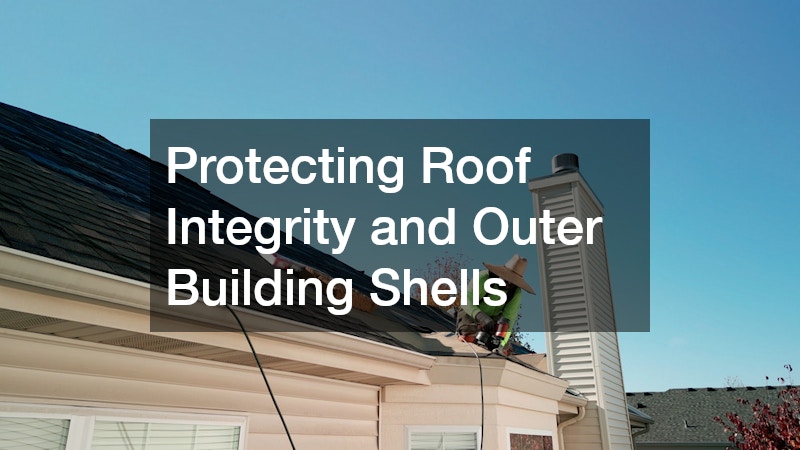
Consider your roof and exterior siding as the outer coat of your home. Day after day, this barrier absorbs punishing ultraviolet rays, high winds, driving rain, and heavy snowfall. When the exterior shell fails, water moves inward, and water is undoubtedly the single most destructive force a residential building faces.
Imagine walking out to your driveway after a heavy spring thunderstorm and noticing three dark, textured shingles lying in the wet grass. It is easy to put off calling someone when there are no visible leaks inside your living room yet. However, those missing shingles expose the underlying underlayment directly to the elements. Within weeks, driving rain can rot the plywood decking underneath, create mold colonies in your attic insulation, and eventually stain your drywall ceilings.
To keep your roof performant, perform a ground-level inspection using a pair of binoculars at least twice a year—ideally in early spring and late autumn. Look specifically for curling shingle edges, bald spots where protective granules have worn off, and damaged flashing around chimneys or vent pipes. Catching a loose flashing seal early costs very little to patch, whereas replacing a rotted roof deck can cost thousands.
While a homeowner can easily clean out low-level gutters and spot surface debris from the ground, steep pitches, high gables, and complex roof valleys require professional eyes and specialized safety equipment. Engaging experienced roofers to perform a comprehensive roof inspection every few years ensures that hard-to-see wear, hidden flashing breaches, and subtle storm damage are addressed before water penetrates your living spaces. Protecting your residential roofing investment requires this blend of personal vigilance and professional oversight, guaranteeing that the protective barrier above your family stays completely watertight year after year.
Sealing Windows, Entry Points, and Perimeter Safeguards
Inspecting Window Seals and Perimeter Caulking
Drafts around your windows do more than just make your living room chilly during January; they force your heating equipment to work overtime while allowing subtle moisture penetration into your wall cavities.
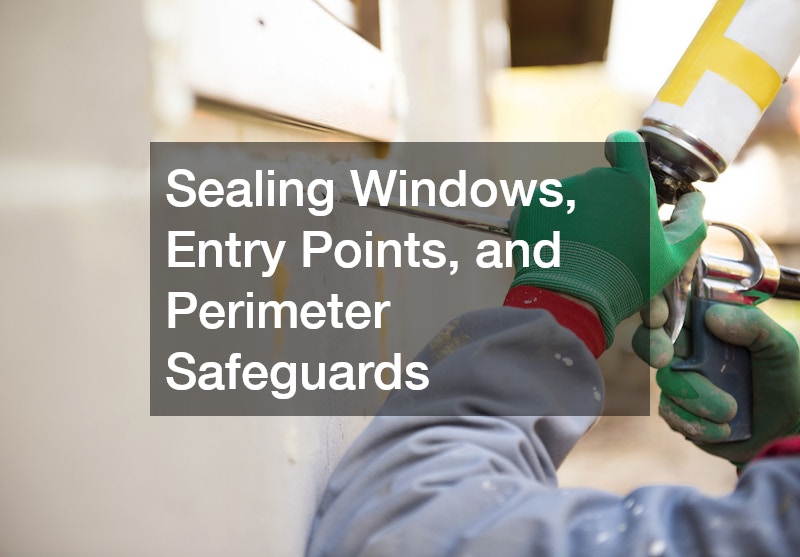
- Conduct a visual perimeter check. Walk the perimeter of your house and check the exterior caulking around all window frames. Look for cracking, peeling, or gaps where the sealant has pulled away from the siding.
- Perform an interior draft test. On a windy day, light a candle or an incense stick and move it slowly around the interior edges of your window frames. If the flame flickers or the smoke blows horizontally, air is leaking through.
- Inspect double-pane glass health. Check for internal fogging or condensation between glass panes, which indicates that the thermal seal has failed. Prompt glass repair can restore thermal efficiency and prevent frame rot before moisture destroys the surrounding structure.
- Scrape and re-caulk problem areas. Remove dried, cracked caulk with a putty knife, clean the surface thoroughly, and apply a fresh bead of exterior-grade silicone or polyurethane sealant.
Servicing Overhead Garage Doors and Track Mechanics
Garage doors are often the largest moving mechanical objects in a home, and because they are used multiple times a day, their components experience tremendous stress and tension over time.
- Clear and wipe down the metal tracks. Dust, grime, and debris collect inside the steel tracks, forcing the rollers to drag rather than roll smoothly. Wipe the inside of the tracks with a damp rag and a mild degreaser.
- Lubricate all moving hardware. Apply a lithium or silicone-based spray lubricant to the metal rollers, hinges, tracks, and heavy torsion springs. Avoid using standard penetrating oils, which can attract dirt and gummy residue.
- Test the auto-reverse safety mechanism. Place a two-by-four piece of wood flat on the ground directly beneath the open garage door and press the wall button to close it. When the door strikes the wood, it should instantly reverse direction.
- Recognize when to call experts. If the door wobbles, squeals loudly despite lubrication, or has a frayed lifting cable, contact a local garage door company right away. High-tension springs and heavy door alignments are hazardous to adjust without specialized tools and training.
Maintaining Air Conditioning and Airflow Systems
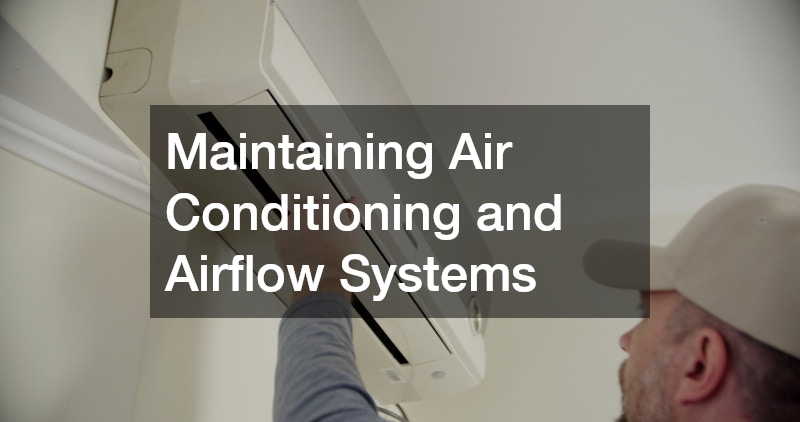
A few summers ago, a family I know packed their bags for a long-awaited weekend getaway in July. While they were away, their central air conditioning system ran continuously during a record-breaking heatwave. A dirty, clogged air filter had caused the evaporator coils to freeze into a solid block of ice. As the ice gradually melted, the drain pan overflowed, sending gallons of water soaking through the ceiling of their newly renovated kitchen below. What should have been a standard weekend trip turned into an insurance nightmare, complete with industrial fans, torn-out drywall, and thousands of dollars in unexpected restoration costs.
Preventing this kind of disaster comes down to understanding how air cooling systems operate. Air conditioners do not just cool the air; they remove significant amounts of humidity from inside your home. That moisture collects in a condensate drain pan and flows out through a small plastic pipe. When that line becomes clogged with algae, dust, or mold, water has nowhere to go but over the edges of the pan and onto your floors or ceilings.
To keep your cooling system running smoothly, change your air filters every 30 to 90 days depending on whether you have pets. Keep the outdoor condenser unit free of leaves, grass clippings, and overgrown bushes to ensure adequate airflow across the condensing coils. Additionally, pour a cup of plain white vinegar down the condensate drain line access port every spring to kill algae spores and keep the line flowing freely.
When you notice subtle red flags—such as the unit taking much longer to lower the indoor temperature, strange bubbling noises along the refrigerant lines, or unusual warm spots in certain rooms—it is best to schedule AC repairs with a reputable AC contractors before total system failure strikes on the hottest afternoon of the summer. Partnering with certified HVAC contractors for bi-annual maintenance ensures that electrical connections are tight, refrigerant levels are optimal, and internal blowers are clean, extending the operational life of your climate equipment significantly.
Managing Heating Efficiency and Hearth Safety
When autumn temperatures begin to drop, your attention must shift from cooling to keeping your household warm and safe. A heating failure during a deep freeze is not merely an uncomfortable experience; it can lead to frozen, burst water pipes that flood wall cavities and ruin flooring within hours.
Different heating issues present clear warning signs and distinct hazards:
- Blocked air filters lead to reduced heat output in the short term and risk cracked heat exchangers over time.
- Unserviced gas burners cause inefficient fuel use right away and raise carbon monoxide hazards over the long run.
- Creosote buildup forces smoke into the room immediately and creates a severe structural chimney fire risk over time.
Furnaces and boilers rely on clean combustion and efficient heat exchange. If you heat your home with natural gas, oil, or propane, small amounts of soot and dust gradually accumulate on fuel igniters, burners, and sensors. Testing your thermostat in early autumn—weeks before you actually need sustained heat—gives you ample time to arrange for Heating repair if the system short-cycles, makes metallic clanking noises, or fails to ignite properly.
Fireplaces and wood-burning stoves bring warmth and charm to a home, but they require strict safety oversight. As wood burns, it deposits a flammable, tar-like substance called creosote along the inside of your chimney flue. If creosote builds up beyond an eighth of an inch, an intense hearth fire can ignite the deposit, triggering an extremely dangerous, high-heat chimney fire that can spread to the surrounding roof structure.
Prior to lighting that first winter fire, schedule certified chimney inspections to verify that the flue lining is free of cracks, creosote buildup, and bird nests. A professional inspector uses specialized video cameras to evaluate the internal masonry and damper mechanisms, ensuring that harmful gases like carbon monoxide travel safely up and out of your living space rather than backing up into your family’s bedrooms.
Evaluating Electrical Panels and Power Safety
Modern family life places unprecedented demands on a home’s electrical grid. Between high-draw kitchen appliances, large HVAC systems, home office setups, electric vehicle chargers, and entertainment systems, an older electrical infrastructure can quickly become stressed beyond its safe design capacity.
Several warning signs indicate underlying electrical risks that require immediate attention:
- Frequently tripping circuit breakers point to a circuit overloading or an internal short circuit. You should redistribute appliance loads immediately across different outlets.
- Warm or discolored wall switch plates are caused by loose wire connections generating dangerous heat. Shut off the breaker right away and replace the outlet assembly.
- Flickering lights when big appliances start happen due to voltage drops under high-draw strain. Schedule an evaluation of your main electrical service.
- A faint metallic or burning plastic smell signals active arc faulting inside the walls. Turn off main power immediately and call an electrician.
Testing your Ground Fault Circuit Interrupter (GFCI) outlets monthly is a simple, highly effective habit. Plug a small light into a GFCI outlet in your kitchen, bathroom, or garage, and press the “Test” button. The light should shut off instantly. Pressing “Reset” should restore power. If the outlet fails to trip, its protective circuitry has degraded, leaving your family vulnerable to severe electrical shocks in damp environments.
Pay close attention to how your electrical system behaves under load. If you notice lights dimming every time the refrigerator compressor kicks on, or if certain circuit breakers trip whenever you run a hairdryer and a vacuum simultaneously, your system is telling you it is overwhelmed. Homes built several decades ago were often equipped with 60-amp or 100-amp electrical panels that simply cannot handle today’s electronic footprint safely.
In these situations, investing in a comprehensive electric panel replacement is one of the most effective safety upgrades you can make. Upgrading to a modern 200-amp panel with arc-fault protection drastically reduces the risk of electrical fires, protects sensitive electronics from power surges, and ensures your home can safely accommodate future technological additions without straining your wiring.
Preserving Outdoor Water Features and Pool Systems
Outdoor amenities like patios, hardscapes, and swimming pools offer incredible recreational value for families, but they are uniquely exposed to extreme weather changes. Unprotected outdoor water features suffer heavy damage when water gets trapped inside lines or cracks, freezes, expands, and shatters surrounding materials.
For homes featuring a concrete pool, maintaining water chemistry balance and structural integrity is an ongoing year-round responsibility. Imbalanced pool water—specifically water with incorrect pH or total alkalinity—can strip minerals directly out of plaster, leading to rough, pitted surfaces, exposed aggregate, and premature structural deterioration.
When pH levels drop too low, the water becomes acidic. This acidic environment pits concrete plaster and erodes pump seal rings over time. Conversely, when pH levels run too high, the basic water causes mineral scale to form, which clogs filter lines and restricts circulation. Both extremes ultimately lead to severe structural degradation if left uncorrected.
During the operating season, skim floating debris daily, brush the plaster walls weekly to prevent stubborn algae blooms, and backwash the filtration system whenever pressure gauges rise above normal operating levels. When closing the pool for the winter season, blowing out the underground plumbing lines and adding antifreeze is crucial. If water freezes inside underground pipes or skimmer assemblies, the expanding ice can crack the surrounding concrete deck, resulting in massive excavation and repair costs come spring.
Building Your Long-Term Home Preservation Plan
Staying ahead of home repairs does not require you to become a master tradesperson overnight. It simply requires shifting your mindset from emergency reaction to calm, scheduled observation. When you take small, deliberate steps to care for your roof, climate systems, electrical grid, and outdoor features, you remove the chaos from homeownership.
Start building your personal home maintenance binder or digital log today. Document when filters are changed, keep records of service calls, and set recurring calendar reminders for seasonal inspections. By taking control of these predictable tasks, you safeguard your financial stability, maintain your property’s market value, and protect the place where your family makes its most cherished memories.