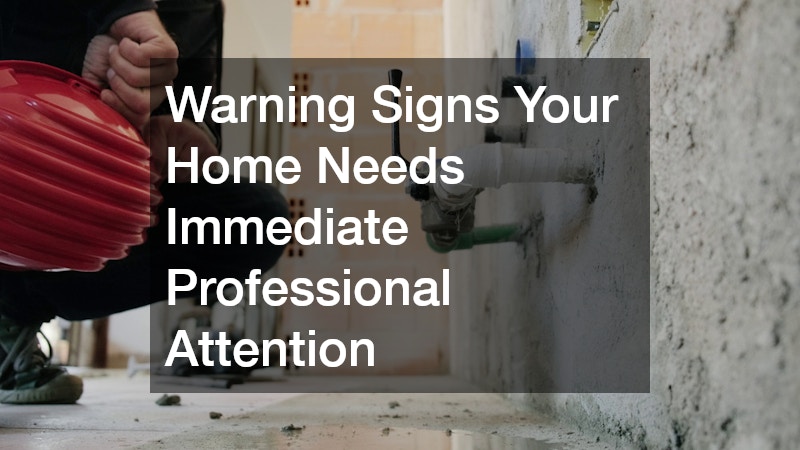
Warning Signs Your Home Needs Immediate Professional Attention
Most homeowners expect occasional repairs. A dripping faucet, a cracked shingle, or a noisy appliance can feel like a normal part of owning a house. The problem is that serious home damage rarely begins with dramatic warning signs. More often, it starts quietly. A faint musty smell near a hallway wall. A garage door that hesitates before opening. A small ceiling stain that appears after heavy rain and then seems to dry out on its own.
These subtle changes are easy to dismiss because life gets busy. But homes usually give plenty of signals before a costly failure occurs, and paying attention to those signals can prevent dangerous conditions, major structural damage, and expensive restoration work.
Professional attention matters because many household systems are interconnected. A hidden leak can weaken flooring, encourage mold growth, damage insulation, and increase utility costs all at once. Roofing damage can eventually affect framing, drywall, and electrical systems.
Knowing when to act is often the difference between a manageable repair and a full-scale emergency. The following guide explores some of the most important warning signs homeowners should never ignore and explains how professionals can help stop minor concerns from becoming serious problems.
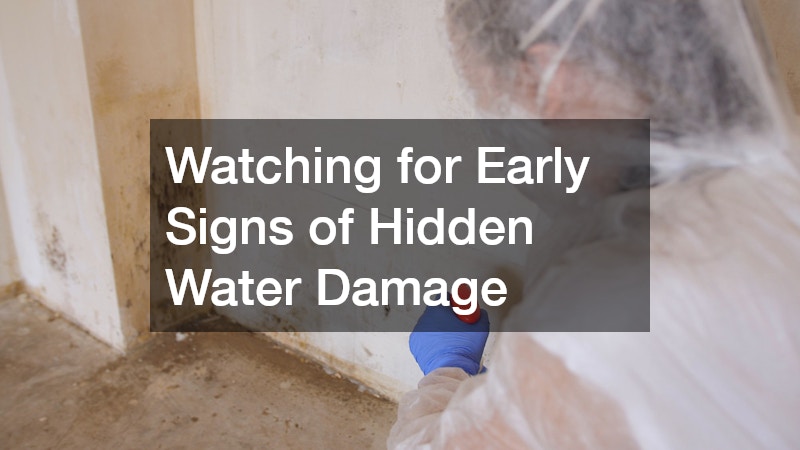
Watching for Early Signs of Hidden Water Damage
Paying Attention to Changes Beneath Floors and Walls
Water damage has a way of hiding until the situation becomes severe. One of the most overlooked warning signs is a warm or damp area on the floor that seems unusual for the season. Tile floors that suddenly feel warm in one corner of the home, especially on slab foundations, can indicate a leak beneath the concrete.
Many homeowners first notice the issue indirectly. They may hear water running when fixtures are off, notice higher utility bills, or smell a persistent earthy odor that cleaning never removes. These symptoms sometimes point toward the need for slab leak detection before the damage spreads further beneath the home.
Ignoring these signs can lead to mold growth, flooring damage, drywall cracks, and increased indoor humidity. A homeowner may initially assume the smell near a hallway closet is caused by humidity. Months later, after noticing warped baseboards and a spike in the water bill, they discover a slow leak beneath the slab that has been damaging the structure for weeks.
Understanding When Small Plumbing Issues Signal Larger Trouble
Low water pressure is another symptom people tend to tolerate longer than they should. While isolated pressure changes can result from simple fixture buildup, widespread pressure problems throughout the house may suggest aging pipes, hidden leaks, or developing blockages.
Experienced plumbers often identify issues homeowners never notice, including early corrosion inside pipes or drainage problems hidden behind walls. Strange sounds also deserve attention. Banging pipes, whistling fixtures, or gurgling drains may indicate pressure irregularities that eventually become emergencies.
The key is recognizing patterns. One isolated plumbing annoyance may not be urgent. Multiple symptoms appearing together usually are.
Noticing Structural Changes Around the Property
Understanding Why Cracks and Shifting Matter
Homes naturally settle over time, but certain structural changes should never be ignored. Cracks wider than a quarter inch, especially horizontal cracks or stair-step patterns in brickwork, often indicate movement beneath the home.
People frequently notice these changes gradually. Doors stop closing properly, windows begin sticking, and floors feel uneven. At first, homeowners compensate without thinking much about it. Eventually, the signs become impossible to ignore.
In many cases, these symptoms point toward the need for foundation repair. Moisture fluctuations in soil, poor drainage, invasive tree roots, or plumbing leaks beneath the home can all contribute to shifting foundations.
Looking Beyond the House Itself
Outdoor features sometimes reveal problems before the interior does. A leaning fence, widening soil gaps, or standing water near the property perimeter may indicate drainage issues affecting the stability of the ground beneath the home.
In some situations, homeowners first seek fence repair because panels are tilting or posts are pulling loose after heavy rainfall. What seems like a fencing problem may actually reflect soil erosion or shifting terrain.
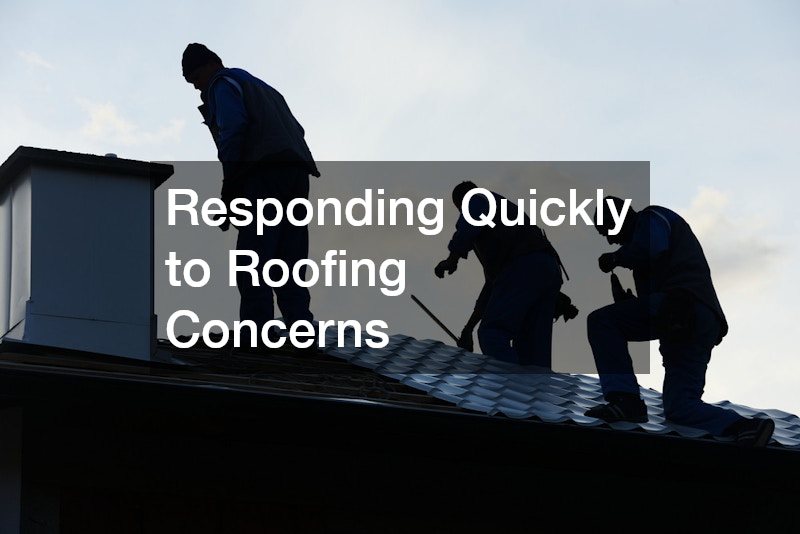
Responding Quickly to Roofing Concerns
Recognizing Storm Damage Before Interior Leaks Develop
Roof damage is deceptive because problems often begin far above eye level. By the time water reaches interior ceilings, the roofing system may already have extensive hidden deterioration.
After severe weather, homeowners should pay attention to signs like dark attic stains, missing shingles, granules near downspouts, and sagging rooflines. Roofing repairs completed early are almost always less invasive and less expensive than waiting until leaks penetrate deeper into the structure.
One homeowner may notice a small ceiling discoloration after a thunderstorm and decide to monitor it. Weeks later, heavy rain exposes a larger leak that has already saturated insulation and weakened surrounding drywall.
Understanding the Risks of Delayed Repairs
Many homeowners postpone roof inspections because there are no active leaks. Unfortunately, roofing systems can fail long before water visibly enters living spaces.
Moisture trapped beneath damaged shingles encourages mold growth, wood rot, and insulation deterioration. Professional evaluations matter because some forms of damage are difficult to identify from the ground.
Recognizing When Water Heating Problems Are Escalating
Listening to What the System Is Telling You
Water heaters rarely fail without warning. Popping or rumbling sounds often signal sediment accumulation inside the tank.
At first, homeowners may dismiss the noise as harmless aging. Then hot water becomes inconsistent, showers run cold faster than usual, or rust-colored water appears from faucets. These are common indicators that water heater repair may be necessary before the system fails entirely.
A leaking water heater can quickly create major property damage. Even small drips around the base deserve immediate attention because tanks often rupture suddenly after prolonged internal corrosion.
Considering Long-Term Efficiency and Reliability
Many homeowners only think about upgrading equipment after a failure occurs. However, repeated repair issues sometimes indicate replacement is the better option.
Tankless water heaters have become increasingly popular because they provide continuous hot water while improving energy efficiency. They also eliminate the risk of catastrophic tank leaks associated with traditional storage systems.
Professional guidance helps homeowners compare long-term operating costs and determine whether repair or replacement makes the most financial sense.
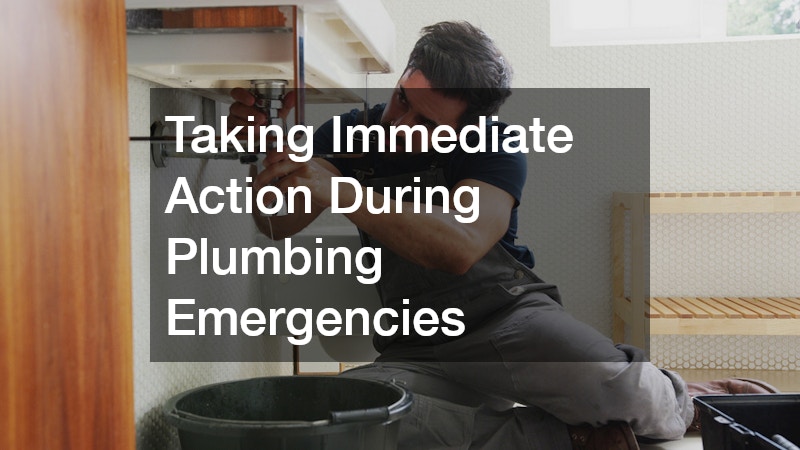
Taking Immediate Action During Plumbing Emergencies
Knowing When the Situation Cannot Wait
Some household problems allow time for planning. Others require immediate response.
Burst pipes, sewage backups, overflowing toilets, and sudden water loss all fall into the second category. Waiting even a few hours during major plumbing failures can dramatically increase restoration costs.
An emergency plumber becomes essential when water threatens structural materials, electrical systems, or sanitation conditions inside the home.
The first priority during a plumbing emergency is controlling water exposure. Every homeowner should know where the main shutoff valve is located and confirm that it works properly.
Reducing Damage While Waiting for Help
Homeowners should also:
- Remove valuables from affected areas
- Avoid standing water near electrical outlets
- Use towels or buckets to contain active leaks
- Turn off water heaters if major pipe failures occur
Prompt action almost always reduces both repair costs and restoration time.
One common mistake is assuming a small leak can wait overnight. Water travels quickly through flooring, drywall, and insulation. A pipe leaking inside a wall for several hours can create extensive hidden damage even if surface moisture appears minimal.
Addressing Garage Door Problems Before They Become Dangerous
Understanding Why Small Malfunctions Matter
Garage doors are among the heaviest moving systems in most homes, yet people often ignore early signs of failure because the door still technically works.
A garage door that jerks during operation, produces loud grinding noises, or reverses unexpectedly may have worn components that are close to failing completely. Many homeowners delay calling a garage door contractor because the issue feels inconvenient rather than urgent. But malfunctioning doors create real safety risks.
Other warning signs include delayed response from remotes, crooked movement, vibrating tracks, and unusual squealing sounds.
Considering the Security Risks
A failing garage door can also compromise home security. Doors that do not close completely or reverse unexpectedly may leave access points vulnerable without homeowners realizing it.
Regular inspections help identify worn rollers, loose hardware, and failing sensors before they create larger safety concerns.
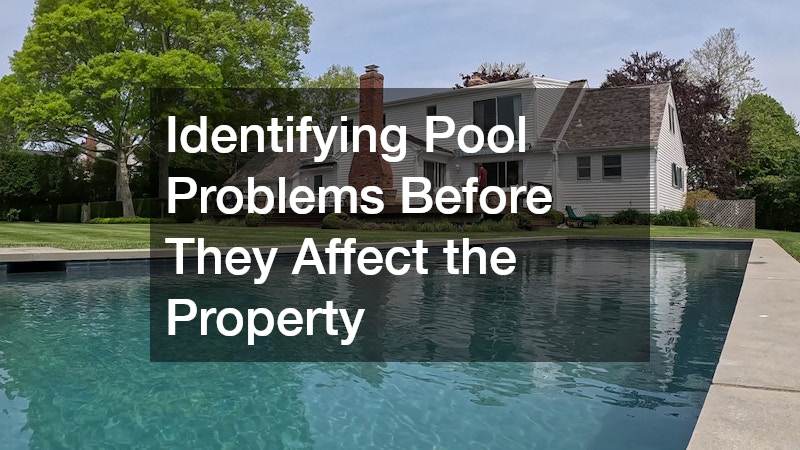
Identifying Pool Problems Before They Affect the Property
Recognizing More Than Cosmetic Damage
Pools naturally require maintenance, but some warning signs suggest deeper structural or mechanical issues that should never be ignored.
A noticeable drop in water levels, recurring cracks near the pool deck, or continuously running equipment may indicate leaks beneath the surface. Professional pool repair becomes especially important when homeowners notice wet spots around the pool, unstable decking, or struggling pump systems.
Equipment problems can also create safety hazards. Faulty pumps, malfunctioning filters, or damaged electrical components should never be ignored simply because the pool remains usable.
Understanding the Broader Impact of Neglected Pool Damage
Pool problems often extend beyond the pool itself. Water escaping underground may weaken nearby concrete, landscaping, or retaining walls. In severe situations, moisture migration can even influence foundation stability if the pool sits close to the home.
Electrical hazards are another concern. Faulty lighting systems or damaged wiring create safety risks that require professional evaluation immediately.
Deciding When Professional Help Is Necessary
Distinguishing Minor Annoyances From Serious Risks
One of the hardest parts of homeownership is determining which problems require immediate professional attention and which ones can safely wait.
Not every crack means structural failure. Not every noise signals a dangerous malfunction. But recurring issues, worsening symptoms, and multiple warning signs appearing together should always prompt closer evaluation.
A good rule is to take action whenever a problem involves water intrusion, structural movement, electrical irregularities, or rapidly worsening symptoms.
Trusting instincts also matters. If something about the home suddenly feels unusual, there is often a reason worth investigating.
Asking Better Questions Before Hiring a Professional
Choosing the right professional is just as important as recognizing the issue itself. Homeowners should ask about licensing, insurance, emergency availability, warranties, and inspection procedures before approving repairs.
It also helps to document problems before appointments. Taking photos and noting when symptoms occur can help technicians diagnose issues more efficiently.
The goal is not simply repairing visible damage. It is understanding the underlying cause so the issue does not return.
Protecting Your Home Through Early Action
Homes rarely fail without warning. Most serious repair emergencies begin as manageable issues that gradually worsen over time. The challenge is that warning signs often appear subtle at first, making it easy to delay action until damage becomes more severe.
Paying attention to unusual sounds, moisture changes, structural shifts, and equipment inconsistencies can prevent expensive repairs and protect the long-term health of the property. Small problems become far more manageable when addressed early, especially before they spread into surrounding systems.
Professional inspections are not only for catastrophic situations. They are valuable tools for identifying hidden risks before those risks threaten safety, comfort, or financial stability.
Homeowners sometimes avoid inspections because they worry about hearing bad news or facing unexpected expenses. In reality, early evaluations often save money by identifying small problems before they become widespread repairs. A minor roof leak caught early may only require limited repairs, while the same leak left untreated for months could eventually require insulation replacement, drywall restoration, and mold remediation.
Routine maintenance also helps homeowners plan financially. Instead of reacting to emergencies, families can budget for upgrades and repairs over time. This approach reduces stress and helps prevent sudden disruptions to daily life.
Even newer homes benefit from occasional professional assessments. Construction defects, drainage issues, or improperly installed systems may not become obvious until years after move-in. Regular evaluations provide reassurance that critical systems are operating safely and efficiently.
Homeownership always involves maintenance, but proactive attention makes a significant difference. Responding quickly to warning signs helps homeowners preserve their property value, avoid unnecessary stress, and create a safer living environment for everyone inside the home.
Another important benefit of acting early is protecting long-term resale value. Buyers and inspectors often notice evidence of unresolved moisture, structural movement, or neglected maintenance during the selling process. Problems that could have been handled with simple repairs sometimes become obstacles during negotiations or inspections. Staying proactive helps homeowners maintain both the appearance and reliability of the property while reducing the likelihood of expensive surprises in the future.