Home Improvements That Help Lower Monthly Bills
Monthly bills have a way of creeping up slowly. One season, the electric bill is a little higher than expected. A few months later, the water bill jumps. Then a repair invoice arrives for something that has been “almost fixed” for years. For many homeowners, the problem is not one dramatic expense. It is a collection of small inefficiencies that quietly drain money every month.
The good news is that home improvements can do more than make a house look better. When chosen carefully, they can reduce wasted energy, prevent avoidable repairs, lower water use, and make everyday maintenance easier. The key is to think beyond the surface. A fresh update is most valuable when it solves a real problem: drafts, moisture, outdated equipment, poor drainage, worn materials, or outdoor areas that demand too much upkeep.
This guide looks at practical improvements that can help lower household costs over time. Some are small enough to begin this weekend. Others require planning, estimates, and professional help. Either way, the goal is the same: make the home more efficient, more durable, and less expensive to live in month after month.
Sealing Air Leaks Before Spending More
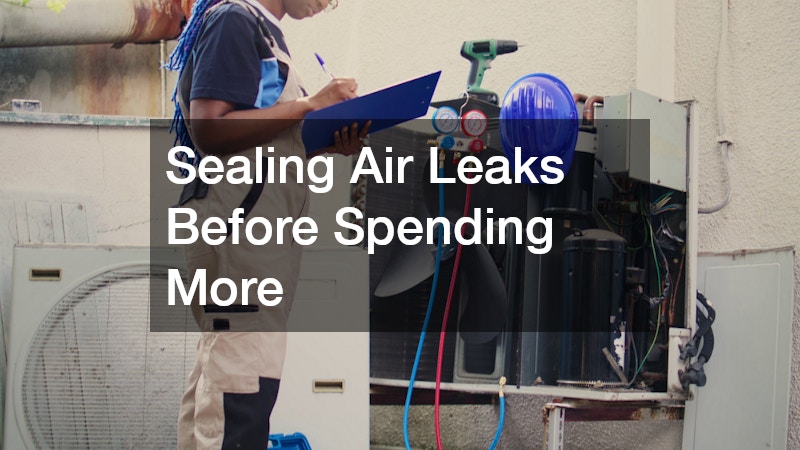
One of the most common reasons monthly bills rise is also one of the easiest to overlook: the house is leaking conditioned air. A home can have a newer heating or cooling system and still feel uncomfortable if air is slipping through attic gaps, worn door seals, loose window frames, or poorly insulated walls. When that happens, the system runs longer than it should, and the homeowner pays for energy that never really stays inside.
Start with the places you can feel. On a windy day, move your hand around exterior doors, window trim, attic access panels, and baseboards along outside walls. A slight draft may not seem like much, but multiplied across the whole house, it can force heating and cooling equipment to work harder every day.
Regular HVAC Service can also help. A professional inspection can uncover airflow restrictions, duct leaks, dirty coils, clogged filters, and aging parts that reduce efficiency. Homeowners often assume comfort problems mean they need a new unit, but sometimes the issue is poor airflow or neglected maintenance.
The exterior matters too. Cracked, loose, or warped siding can allow air and moisture into areas that should stay protected. A siding contractor can inspect the outside of the home and identify whether damaged panels, gaps, or deteriorating materials are contributing to comfort and efficiency problems.
Practical first steps include replacing worn weatherstripping, sealing attic gaps, adding insulation where it is thin, and checking ductwork for leaks. These tasks may not feel exciting, but they often make a noticeable difference in comfort and operating costs.
Replacing Equipment That Costs Too Much to Keep
At some point, repairing old equipment becomes more expensive than moving on from it. Heating systems are a good example. A furnace that still turns on may not be operating efficiently, especially if it is older, frequently repaired, or struggling to keep rooms evenly warm.
The decision to consider furnace replacement usually comes down to a few patterns. If repair calls are becoming routine, energy bills are climbing without a clear reason, or the system cycles on and off constantly, it may be time to compare the cost of keeping the old unit with the value of installing a more efficient one. The right choice depends on age, condition, fuel costs, and how well the current system fits the home.
Sizing matters more than many people realize. A unit that is too large may heat the house quickly but cycle too often, which wastes energy and creates uneven comfort. A unit that is too small may run almost constantly during cold weather.
Before committing to replacement, homeowners should ask whether the current system is properly sized, whether the ducts are in good condition, what efficiency rating makes sense for the climate, and whether rebates or incentives are available. The cheapest option is not always the least expensive over time. A well-chosen system, installed correctly, can lower operating costs and reduce the stress of repeated emergency repairs.
Preparing for Outages That Create Hidden Costs
Power outages are easy to think of as temporary inconveniences until they cause real financial damage. Spoiled food, a flooded basement because the sump pump stopped, missed work from a down home office, or a security system that goes offline can all add unexpected costs to an already stressful situation.
A backup generator can help protect against those losses, especially in areas where storms, high winds, or grid interruptions are common. The point is not only comfort. It is continuity. If a home depends on electricity for medical devices, well pumps, refrigeration, heating controls, or remote work, backup power can prevent a short outage from becoming an expensive disruption.
The most useful first step is deciding what actually needs to stay on. Not every home requires whole-house power. Some families only need essential circuits, such as the refrigerator, sump pump, internet equipment, a few lights, and key heating or cooling components. Others may need broader coverage. Choosing the right size helps avoid overspending upfront while still protecting what matters.
Safe installation is important. Improper connections can create serious hazards, so homeowners should avoid shortcuts. Maintenance also matters because equipment that sits unused for months still needs testing, fuel planning, and occasional service.
Reducing Water Waste Where It Starts
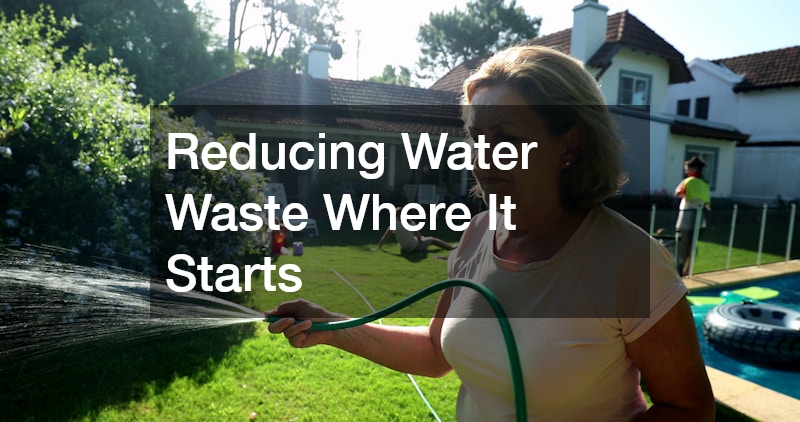
Bathrooms use a surprising amount of water, and small inefficiencies can add up quickly. An old toilet, a dripping faucet, an inefficient showerhead, or poor ventilation can increase monthly costs and create repair problems behind the scenes.
Thoughtful bathroom remodeling can reduce water use while also preventing moisture damage. The most effective updates are not always luxury features. High-efficiency toilets, low-flow showerheads, modern faucets, better exhaust fans, and moisture-resistant materials can make the room less expensive to use and easier to maintain.
Ventilation deserves special attention. A bathroom that stays damp after showers can develop peeling paint, mildew, swollen trim, and hidden wall damage. Running a properly sized exhaust fan during and after bathing helps remove moisture before it settles into surfaces.
A homeowner planning updates should look for practical improvements behind the finished surfaces as well. Old shutoff valves, questionable plumbing connections, and soft flooring around tubs or toilets should be addressed before new finishes go in. Otherwise, the room may look new while old problems continue underneath.
Planning Projects Around Problems, Not Trends
A home improvement project can be beautiful and still fail to solve the issue that made the homeowner want change in the first place. Maybe the kitchen looks dated, but the bigger problem is poor lighting and outlets that cannot handle modern use. Maybe a basement needs new flooring, but the real issue is moisture.
This is where planned renovations can be more cost-effective than piecemeal updates. Instead of changing one visible feature at a time, homeowners can use a project as an opportunity to fix hidden problems while walls, floors, or fixtures are already being opened up. That might include adding insulation, updating old wiring, improving ventilation, repairing water damage, or replacing materials that are near the end of their useful life.
The smartest projects usually begin with a walk-through, not a mood board. Look for stains, soft spots, drafts, recurring cracks, musty smells, loose outlets, and areas that are hard to heat or cool. These clues can guide the budget toward improvements that reduce long-term costs rather than purely cosmetic changes.
It also helps to group related work together. If a wall is being opened, it may be the right time to address insulation or electrical issues. Doing things in the right order prevents homeowners from paying twice.
Repairing Exterior Surfaces Before Damage Spreads
Driveways, walkways, and paved areas are easy to ignore until cracks widen, surfaces sink, or water starts pooling near the house. These exterior problems can affect more than curb appeal. Poor drainage can send water toward the foundation, uneven surfaces can become safety hazards, and neglected cracks can lead to larger repair bills.
A local paving company can help determine whether a damaged surface needs sealing, resurfacing, patching, or full replacement. That distinction matters because homeowners sometimes delay repairs until the only remaining option is the most expensive one.
A concrete driveway, for example, should move water away from the home and hold up under regular vehicle traffic. When cracks, settling, or drainage problems appear, the issue may be more than cosmetic. Water can enter cracks, freeze and expand in cold weather, or erode the base below the slab.
Homeowners can protect exterior surfaces by keeping them clean, sealing cracks early, redirecting downspouts, and watching how water moves after a storm. If puddles sit for hours or water flows toward the garage or foundation, the grading may need attention.
Choosing Materials That Last Longer

Flooring affects daily life more than many homeowners expect. It takes constant traffic, spills, pet wear, furniture movement, and cleaning. When the wrong material is used in the wrong space, it can become a recurring expense. Cheap flooring may look fine at first but need replacement sooner than expected, while durable materials can reduce maintenance and hold their appearance longer.
A hardwood flooring contractor can help homeowners decide whether existing floors should be repaired, refinished, or replaced. In some homes, refinishing quality hardwood is more economical than tearing it out. In others, deep damage, moisture exposure, or poor previous installation may make replacement the better long-term choice.
The key is matching materials to the way the home is actually used. A busy entryway needs a different level of durability than a quiet bedroom. A home with large dogs has different flooring needs than one with light foot traffic. Areas near exterior doors need protection from grit and moisture.
Small habits help too. Use mats at entrances, clean spills quickly, protect furniture legs, and follow manufacturer care instructions. A durable floor still needs reasonable care to deliver its full value.
Designing Outdoor Areas That Need Less Upkeep
Yard maintenance can become a quiet monthly expense. Watering, mowing, reseeding, fertilizing, repairing muddy spots, and replacing plants that never thrive can take both time and money. In some homes, the problem is not the homeowner’s effort. It is the layout. Certain areas are too shady for grass, too wet after rain, too steep to mow easily, or too heavily used by kids and pets.
Patio builders can help turn difficult yard areas into functional outdoor spaces that require less routine care. A well-placed patio, walkway, or seating area can reduce the amount of high-maintenance lawn while making the yard more useful. Instead of fighting the same muddy patch every spring, a homeowner might create a durable gathering space with proper drainage.
The most cost-conscious outdoor plans begin with observation. Where does water collect? Which areas get the most foot traffic? Where does grass struggle? Designing around those patterns usually produces better results than forcing a layout that looks good on paper but does not fit daily life.
Low-maintenance outdoor improvements may include replacing narrow grass strips with walkways, adding a patio where furniture already sits on uneven ground, using native plants near gathering areas, creating shade, and directing runoff away from the foundation.
Comparing Costs Against Real Savings
The hardest part of lowering monthly bills through home improvements is deciding what to do first. Every project has a cost, and not every upgrade produces savings at the same pace. Some reduce utility bills right away. Others prevent future repairs. Some improve comfort so much that they are worth doing even if the financial return is gradual.
A useful way to compare projects is to look at the problem they solve. If an issue is causing repeated expenses, discomfort, or damage, it should move higher on the priority list. For example, a leaking fixture that wastes water every day may deserve attention before a cosmetic update. Poor attic insulation may matter more than replacing a still-functional finish. Drainage problems near the foundation should not wait behind decorative plans.
Homeowners can make better decisions by reviewing real numbers. Look at the last 12 months of utility bills. Note seasonal spikes. Add up repair invoices. Pay attention to rooms that are always too hot, too cold, damp, or difficult to maintain. These patterns reveal where money is being lost.
Instead of asking, “What should we update?” the better question becomes, “What is costing us the most to ignore?”
Maintaining Improvements After the Work Is Done
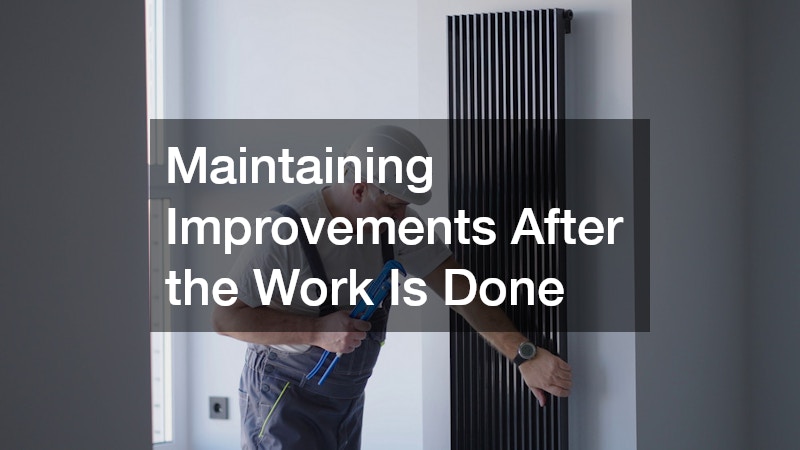
A home improvement only keeps saving money if it is maintained. New equipment, sealed surfaces, efficient fixtures, and upgraded materials all need some level of care. Without it, the same problems can slowly return: clogged filters, cracked caulk, blocked drainage, loose exterior materials, worn finishes, and small leaks that go unnoticed.
A seasonal maintenance plan does not need to be complicated. In spring, inspect the exterior, clean gutters, check drainage, and look for damage from winter weather. In summer, monitor cooling performance, manage water use, and watch for humidity problems. In fall, prepare heating systems, seal drafts, and address cracks before freezing temperatures arrive. In winter, pay attention to indoor humidity, unusual system noises, and signs of air leaks.
The most effective homeowners are not necessarily the ones who spend the most. They are the ones who notice small problems early. They keep records, save warranties, take photos of changes, and schedule service before peak seasons when contractors are busiest.
Planning Savings That Last
Lowering monthly bills is not about doing every upgrade at once. It is about understanding where the home wastes money and choosing improvements that solve those problems in a practical order. A drafty house, an inefficient system, a water-wasting fixture, a damaged exterior surface, or a high-maintenance yard can all increase costs in different ways.
The best improvements are the ones that fit the home’s condition, the household’s needs, and the owner’s long-term plans. Sometimes that means starting with small repairs. Sometimes it means investing in a larger project because the old solution has become too expensive to keep. Either way, the goal is not just a nicer-looking home. It is a home that works better, lasts longer, and costs less to maintain.
With careful planning, homeowners can turn routine updates into meaningful savings. Start by looking for recurring problems, compare options honestly, and focus on improvements that reduce waste, prevent damage, and make daily life easier.