
How to Plan Home Upgrades Around Kids
Planning home upgrades is rarely simple, but the process becomes even more layered when children are part of daily life. A project that might seem straightforward for an adult household can quickly affect nap schedules, school routines, play areas, indoor air quality, safety, and the way a family moves through the home each day.
For families with kids, the best upgrades are not only about making a home look better. They are about making it safer, easier to maintain, more comfortable, and better suited to real family life. That means looking beyond surface improvements and thinking carefully about timing, disruption, hazards, and long-term needs.
A thoughtful plan can help families avoid rushed decisions. It can also prevent small problems from turning into expensive emergencies. Whether the goal is to improve comfort, repair damage, update aging systems, or make the home work better for growing children, the order of projects matters just as much as the projects themselves.
Evaluate Safety Risks Before Planning Any Project

Before choosing paint colors, fixtures, flooring, or layout changes, families should start with the parts of the home that protect everyone inside. Children are often the first to feel the effects of a poorly maintained home, even if they cannot explain what is wrong. A damp ceiling, loose exterior materials, drafty rooms, or hidden water damage can create risks that go beyond inconvenience.
Start by walking through the house slowly, as if seeing it from a child’s point of view. Look at what they can reach, where they play, and where they spend the most time. A parent may notice a soft spot near a window, a recurring leak after heavy rain, or a room that always smells musty after storms. These clues should not be ignored.
Roof repair should be handled early when leaks, missing shingles, water stains, or attic moisture appear. Even a small roof problem can lead to insulation damage, mold concerns, and weakened materials over time. For a family with children, those problems can affect bedrooms, playrooms, and shared living spaces.
Storm damage repair is another priority because storm-related issues are not always obvious from the ground. Wind, hail, fallen branches, and heavy rain can loosen exterior materials or create small openings that allow water inside. After major weather, families should check for ceiling stains, gutter problems, siding damage, and debris near the foundation.
A practical safety review should include:
- The roof, gutters, and attic
- Windows, doors, and exterior trim
- Stairs, railings, and uneven flooring
- Electrical outlets and cords
- Moisture-prone areas near bathrooms, basements, and laundry rooms
- Outdoor spaces where children run, climb, or play
The goal is not to make the home perfect immediately. It is to identify what could become unsafe, expensive, or disruptive if delayed.
Improve Daily Living Spaces for Growing Families
Once safety concerns are under control, families can think about the rooms that carry the most daily pressure. Bathrooms, kitchens, entryways, laundry areas, and shared living rooms tend to work harder in homes with kids. These spaces need to handle rushed mornings, muddy shoes, bedtime routines, spills, storage needs, and changing family habits.
A bathroom that worked well for two adults may become frustrating once children are sharing sinks, towels, drawers, and bath time. Families may need better storage, easier-to-clean surfaces, improved lighting, slip-resistant flooring, or a layout that reduces morning bottlenecks. This is where bathroom remodeling companies can help families think through both design and durability.
The key is to plan for how the space is actually used. For example, a beautiful vanity may not be the best choice if it lacks storage for bath toys, extra towels, first-aid items, and children’s toiletries. A large soaking tub may look appealing, but a practical tub-shower setup may serve a young family better.
Experienced remodeling contractors can also help families avoid changes that look good on paper but fail in daily use. They may recommend moisture-resistant materials, wider walkways, rounded edges, better ventilation, or layouts that keep cleaning simple.
A good planning process should ask:
- Which room causes the most daily stress?
- What do children struggle to reach, use, or avoid safely?
- What materials will hold up to spills, splashes, and rough use?
- What storage problems keep coming back?
- Will this layout still work in five years?
Family-friendly remodeling is not about giving up style. It is about making sure the finished space can survive real life.
Schedule Heating and Cooling Projects at the Right Time

Comfort matters in every household, but it becomes even more important when children are involved. Kids may have trouble sleeping in rooms that are too hot or too cold. Babies and toddlers are especially sensitive to temperature swings, and older children need comfortable bedrooms for rest, homework, and routines.
The best time to think about heating and cooling is before the system fails. Waiting until the first freezing night or the hottest week of summer often leads to higher stress, fewer scheduling options, and rushed decisions. A family that plans ahead has more control.
An HVAC contractor can inspect the system, check airflow, evaluate uneven temperatures, and identify whether the equipment is still suited to the home’s needs. This matters in houses where additions, finished basements, converted rooms, or growing families have changed how the space is used.
An ac tune up is also useful before warm weather arrives. Maintenance can help improve efficiency, reduce surprise breakdowns, and keep indoor comfort more consistent. For families, that can mean fewer sleepless nights, fewer emergency calls, and less disruption during school or summer routines.
Timing matters. Spring and fall are often easier seasons for heating and cooling work because extreme weather is less likely to interfere with daily life. Families may also want to schedule work during school hours when children are out of the house, especially if technicians need access to bedrooms, hallways, attics, or utility areas.
Heating and cooling upgrades are not as visible as new flooring or fresh paint, but they often have a bigger impact on everyday comfort.
Make Outdoor Areas Safer Before Expanding Recreation
Outdoor areas can be a huge benefit for families. A backyard gives kids space to play, explore, swim, relax, and spend time away from screens. But outdoor upgrades should begin with safety and condition before adding new features or making cosmetic changes.
A pool, for example, needs more than an attractive surface. Families should evaluate fencing, gates, covers, lighting, drainage, steps, and visibility from the house. If the pool is older, in ground pool renovation may be needed to address cracked surfaces, worn coping, outdated equipment, or layout issues that affect safe use.
Think about how children move through the yard. Can they run directly from the back door to the pool? Is the gate self-latching? Are there slick surfaces around the patio? Can adults clearly see the water from common gathering areas? These questions shape safer decisions.
Outdoor planning should also include structures that families sometimes overlook. Chimney repairs may not seem connected to a child-friendly home, but a damaged chimney can allow moisture intrusion, create structural concerns, or affect safe fireplace use. If the fireplace is part of a family room where children gather in winter, the chimney should be inspected and maintained before regular use.
A helpful approach is to divide outdoor planning into three zones: active play, supervised recreation, and home protection. Active play areas need soft landings, clear sightlines, and fewer tripping hazards. Supervised recreation areas, such as pools and patios, need barriers and safe surfaces. Home protection areas, including the chimney, roofline, gutters, and drainage paths, need maintenance to prevent damage from spreading inside.
A safer yard does not have to feel restricted. It simply needs to be planned with children’s habits in mind.
Upgrade High-Traffic Features That Families Use Every Day

Some home features are used so often that families stop noticing them until something breaks. Garage doors, heating systems, entry doors, stairs, and driveways all affect daily routines. When these features become unreliable, they can create safety risks and constant frustration.
Garage door replacements may be worth considering when the door is noisy, damaged, unreliable, poorly insulated, or missing modern safety features. Families with children should pay close attention to sensors, auto-reverse functions, opener reliability, and the condition of springs and tracks. A garage door that sticks or closes unevenly is more than an inconvenience when children are walking, biking, or playing nearby.
Furnace installation is another major upgrade that should be planned before an old system becomes unsafe or unreliable. Families should watch for warning signs such as uneven heating, frequent repairs, rising energy use, strange noises, or rooms that never feel warm enough. A planned replacement gives homeowners time to choose the right system instead of making a rushed decision during a cold snap.
Daily-use upgrades are easy to postpone because they do not always feel exciting. But when they fail, they interrupt everything. A broken garage door can affect school drop-off. A failing furnace can make bedrooms uncomfortable. A worn entry door can make the home drafty and less secure.
For families, practical upgrades often deliver the most relief.
Create a Realistic Budget and Project Timeline
Budgeting for home upgrades around kids requires more than adding up materials and labor. Families also need to consider temporary disruptions, childcare, eating arrangements, lost access to certain rooms, and unexpected repairs discovered during the work.
A realistic budget starts with separating needs from wants. Needs are projects that affect safety, comfort, structure, weather protection, or essential daily use. Wants are improvements that make the home more attractive, convenient, or enjoyable but can wait if necessary.
A phased plan can help. Instead of trying to complete every upgrade at once, families can group projects by urgency and disruption. For example, exterior repairs may come before indoor cosmetic updates. Heating and cooling work may be scheduled before peak seasons. Bathroom upgrades may be planned around school breaks or travel.
It also helps to build in a contingency fund. Older homes, especially, may reveal hidden problems once walls, flooring, or fixtures are opened up. Water damage, outdated wiring, poor ventilation, or structural concerns can change the scope of a project.
A thoughtful timeline should account for:
- School schedules and holidays
- Nap times and bedtime routines
- Work-from-home needs
- Pets and childcare
- Weather-sensitive projects
- Permit and inspection delays
- Material lead times
Families should also be honest about their tolerance for disruption. Some households can handle several projects at once. Others may do better with one contained project at a time. There is no universal right answer. The best timeline is the one the family can realistically live with.
Reduce Stress During Construction With Children at Home
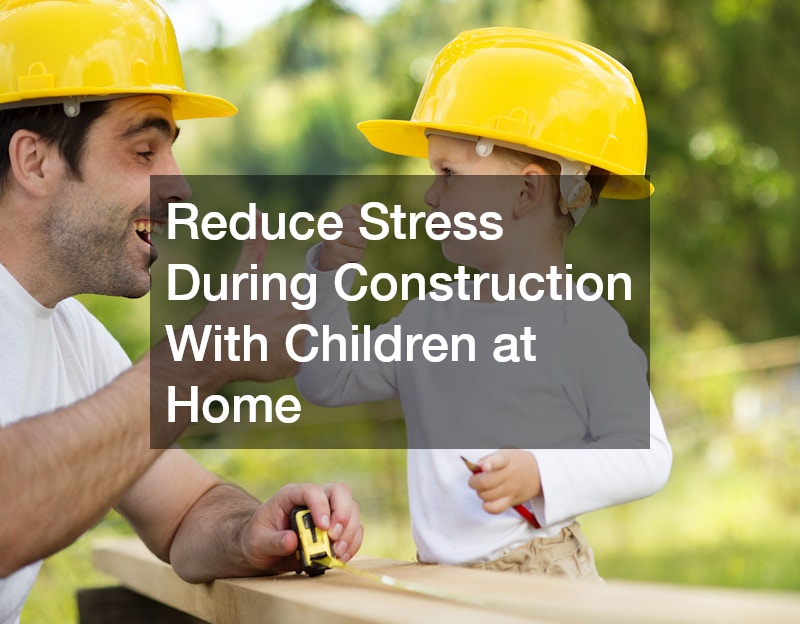
Construction can be exciting for adults and confusing for children. A room they use every day may suddenly be blocked off. Familiar sounds may be replaced by drilling, hammering, or unfamiliar voices. Dust, tools, and open work areas can create safety concerns if boundaries are not clear.
Before work begins, families should create a temporary plan. If a bathroom is being remodeled, decide where everyone will shower, brush teeth, and store toiletries. If a kitchen is affected, set up a simple meal station with snacks, microwave-safe meals, and paper goods. If bedrooms or playrooms are near the work area, move favorite toys, clothes, and school supplies before the project starts.
Children often do better when they know what to expect. Parents can explain the project in simple terms: “This room will be noisy for a few days, but the workers are helping make it better.” For younger children, a visual calendar may help them understand when a space will be off-limits and when it may be usable again.
Safety boundaries should be firm. Work zones should not become places to explore. Tools, cords, open walls, ladders, dust, and exposed materials are not child-safe, even during short breaks.
Parents can reduce stress by:
- Creating a clean, quiet area away from the work zone
- Keeping bedtime routines as normal as possible
- Asking contractors when the loudest work will happen
- Using plastic barriers or closed doors to limit dust movement
- Moving children’s essentials before the first day of work
A little preparation can make the difference between a manageable project and a household that feels chaotic.
Choose Materials That Stand Up to Family Life
Families with kids need materials that can handle spills, fingerprints, dropped toys, muddy shoes, bath splashes, pet messes, and constant cleaning. The best choice is not always the most expensive one. It is the one that fits how the family lives.
Flooring is a good example. A delicate material may look beautiful in photos but become stressful if it scratches easily. Families may prefer durable flooring that is easy to wipe, resistant to moisture, and comfortable underfoot. In bathrooms and laundry areas, slip resistance and water resistance should be priorities.
Countertops, cabinets, doors, and wall finishes also need practical thinking. Semi-gloss or washable paint may make more sense in hallways and play areas than a flat finish that marks easily. Cabinet hardware should be sturdy. Storage should be reachable for adults but safe around small children.
In high-use areas, rounded edges, soft-close drawers, stain-resistant fabrics, and simple surfaces can make daily life easier. These details may seem small, but they reduce frustration over time.
Parents should also think about how quickly children grow. A playroom today may become a homework area later. A nursery may become a shared bedroom. A bathtub used for toddlers may later need to serve older kids. Flexible materials and layouts help the home adjust without requiring another major project too soon.
Good design for families is not fragile. It is forgiving.
Building a Home That Works Better for Family Life
Planning home upgrades around kids means thinking beyond what looks new or impressive. The most successful projects support safety, comfort, routines, and long-term use. They make mornings smoother, rooms easier to clean, systems more reliable, and outdoor spaces safer to enjoy.
Families do not need to complete every improvement at once. In fact, the best plans often happen in phases. Start with risks that could affect safety or damage the home. Then focus on the rooms and systems that shape daily life. After that, choose upgrades that add comfort, convenience, and long-term value.
A home with children is always changing. The right upgrades help it change well.