What to Ask When Looking for Hot Tubs
Choosing a hot tub begins with understanding what you want out of it. Are you seeking relaxation, hydrotherapy, or entertainment? The intended use can guide your choice in size, features, and additional accessories. Various hot tubs are tailored for different experiences, from solo relaxation to social gatherings. Be clear about whether you plan to use it alone or with family and friends.
Your preferences will also influence whether you want an inflatable or a more permanent installation. Inflatable hot tubs offer flexibility and portability, while fixed units are generally more durable and longer-lasting. Environmental factors, such as climate and available space, play a crucial role in this decision-making process. Think about how often you plan to use the hot tub and at what times of the year. These factors will determine the most suitable type and features you need.
Cost can be a deciding factor, so establish a budget before you start looking. Remember, expenses don’t only involve the purchase price. Consider the costs of installation, maintenance, and running the hot tub. Having a clear budget can help avoid overspending and guide you in selecting the most value for your money. Never forget to factor in energy efficiency to save on long-term costs.
Examining the Features
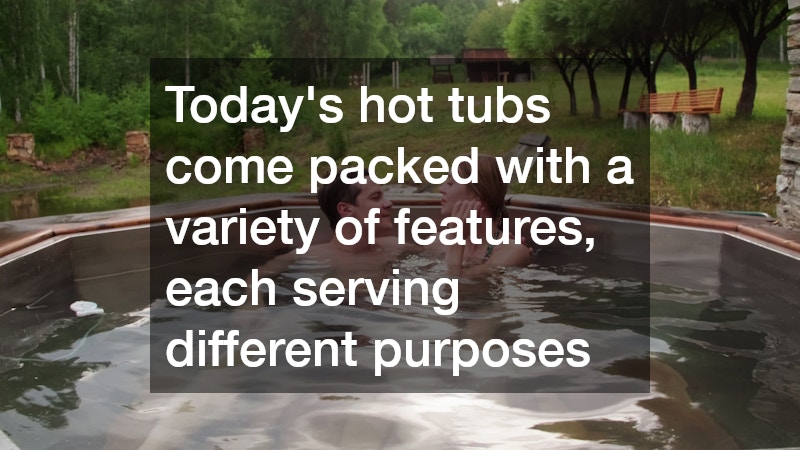
Today’s hot tubs come packed with a variety of features, each serving different purposes. Basic models offer standard jets for a simple soaking experience. More advanced hot tubs can include LED lighting, waterfalls, and advanced jet systems. When looking at features, ensure that they align with your needs. It’s easy to get swept away by luxury features that you may not use.
Consider the quality and placement of jets, as they significantly affect the therapeutic benefits you receive. Jets should be adjustable and strategically placed to massage key muscle groups. A high-quality jet system can provide relief from physical stress and enhance relaxation. Furthermore, think about additional features such as Bluetooth speakers or remote control systems that enhance your user experience. Just ensure these features are within your budget and serve a practical purpose for your usage style.
Don’t forget the importance of materials and construction. High-grade materials can increase durability and longevity. Ensure that the hot tub is made from quality materials that can withstand your local climate. Materials like acrylic and thermoplastic are popular due to their strength and ease of maintenance. Remember that a well-constructed tub can significantly impact your long-term satisfaction and upkeep costs.
Maintenance and Operating Costs
Buying a hot tub is not a one-time expense. Maintenance and operating costs can add up over time, so it’s crucial to think long-term. Regular maintenance includes cleaning the tub, balancing chemicals, and checking the pump’s functionality. Some advanced systems offer automatic cleaning features, simplifying maintenance tasks. Ensure that you understand what maintenance involves and whether you’re comfortable handling it yourself or need professional help.
Energy consumption varies between models, affecting your electricity bill. Check the insulation quality, as good insulation can greatly reduce operating costs by maintaining the water temperature. Modern hot tubs often come with energy-efficient pumps and heaters, reducing the cost of running your tub. Additionally, covers can conserve heat when the hot tub isn’t in use. Investing in energy-efficient features may have a higher upfront cost but can save money in the long run.
Don’t overlook water usage and its impact on the environment and your water bill. Consider hot tubs with water-saving features like efficient water circulation systems. Regularly changing the water in the tub is necessary for hygiene, but can be minimized with proper treatment systems. Thoroughly research any online resources available, such as manufacturer guidelines on efficient usage. An efficient, eco-friendly tub not only saves you money but also contributes to sustainability efforts.
Warranty and After-Sales Services
When investing in a hot tub, the warranty and after-sales service can significantly impact your peace of mind. A comprehensive warranty protects against defects in workmanship and materials, but coverage varies widely between manufacturers. Some warranties cover particular parts for different lengths of time, requiring you to review the details carefully. The longevity of your hot tub is often tied to the quality of the after-sales service. Look for a manufacturer known for excellent customer support and service options.
After-sales services may include routine maintenance packages or discounts on spare parts. These offerings can ease the burden of maintenance and ensure your hot tub remains in peak condition. Seek out companies that offer comprehensive service plans, as they can extend the life of your hot tub. Good customer service will also be helpful if any issues arise that require troubleshooting. Ultimately, after-sales service represents the manufacturer’s commitment to customer satisfaction.
Reading customer reviews can provide insight into the reliability and service levels of different manufacturers. Happy customers often point to strong after-sales service as a reason for their satisfaction. Reviews can highlight common post-purchase concerns and how companies addressed them. By doing your research, you can make an informed decision. A good warranty and reliable after-sales service protect your investment and ensure many years of enjoyable use.